
Ohio Traffic Court Records
Which court hears an Ohio traffic case depends on territory. Municipal Courts take citations inside their boundaries; County Courts cover the areas beyond them. A qualifying Mayor's Court can hear certain local ordinance and state traffic matters. It is not a court of record, though, and it sits outside the judicial branch. Juvenile traffic cases follow a separate Ohio court route.
The court named on the Uniform Traffic Ticket holds the case docket. Under Ohio Traffic Rule 3, the ticket counts as a complaint and summons. It is filed with the court that has jurisdiction. The clerk or a local Traffic Violations Bureau handles eligible payments and hearing steps. A conviction or license action may surface later in a separate Ohio BMV record. That record never replaces the court file.
Ohio Has No Statewide Citation Search
Ohio has no single public search for every citation across its counties and courts. The Supreme Court of Ohio's trial-court directory works as a statewide locator. It is not a ticket-results portal. Each local court picks its own case search and payment page. It also sets its own counter rules and Traffic Violations Bureau setup. Some merge traffic and criminal searches. Others keep a separate citation lookup.
Start with the court printed on the ticket. Is its web address unclear? The state court directory will identify the right Municipal or County Court. For a Mayor's Court ticket, use the official Mayor's Court locator. Follow that court's instructions from there. Searching BMV services or statewide court statistics will not surface the full Ohio traffic docket.
Ohio Citation and License-Hold Systems
Ohio's statewide tools route or track limited information. They do not consolidate local ticket dockets. The Ohio BMV explains license forfeiture and sells driver-record products, while the court clerk remains the source for the citation, plea, judgment, fine, and filed docket entries.
| System | What It Holds | Run By |
|---|---|---|
| Ohio trial-court directory | Links to local courts; does not return individual citation results | Supreme Court of Ohio |
| Ohio court-reported license forfeiture or warrant block | Separate BMV status and release steps reported from an eligible court action; not a ticket search | Ohio BMV, after court action |
| Ohio driver abstract and license record | BMV-maintained convictions, points, and license status categories; not the full court docket | Ohio BMV |
Use the local court for citation status and the BMV only for the separate status it keeps. A statewide locator, a court docket, a court-reported hold, and a driver abstract each answer a different question.
Ohio Mayor's Court Ticket Route
A ticket from a qualifying Mayor's Court travels a different local route. It is not handled like a Municipal or County Court case. These courts handle specified local matters but are not courts of record. An appeal goes to the Municipal or County Court with jurisdiction. The locator only finds the local court. It does not search the ticket or show a case result.
Use the Supreme Court of Ohio's Mayor's Court directory to identify the court named on the notice. Then follow its clerk or hearing instructions.
The statewide Ohio Mayor's Court locator routes a reader to the local court. That court actually holds the case.
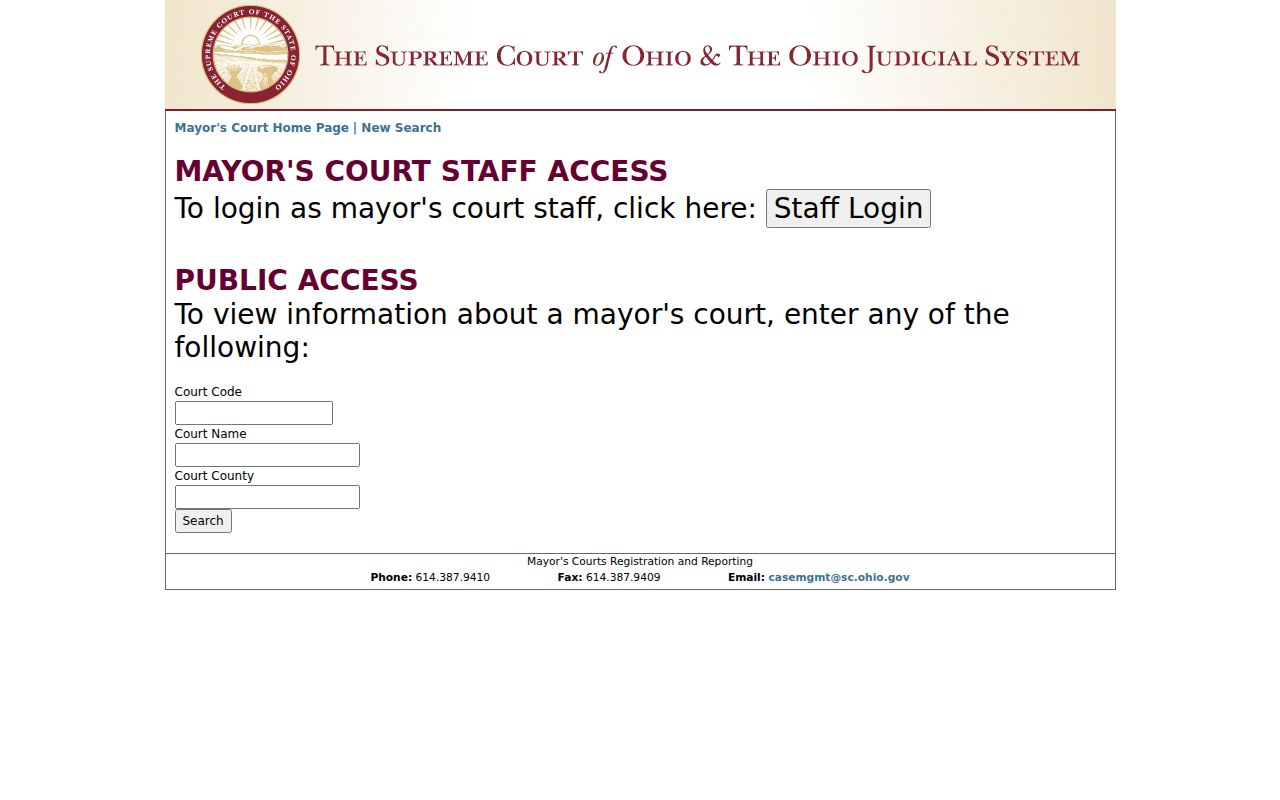
A locator result is only the first step. The local court keeps its own citation information.
Looking Up an Ohio Traffic Ticket
The citation tells you which Ohio court received the case. Its number is the clearest search key. Check whether the paper is a Uniform Traffic Ticket or a civil photo-enforcement notice. Those records can use different procedures. Search the named court first. Neither the Ohio BMV nor a statewide trial-court directory substitutes for the local case docket.
- Read the Ohio citation for the issuing court, citation number, offense, response date, and whether it is a court ticket or civil notice.
- For an Ohio Municipal or County Court, open its local clerk or court website. If the court is unclear, use the official trial-court directory.
- For an Ohio Mayor's Court citation, find the court in the Mayor's Court locator and use that court's local case and payment instructions.
- Search by the Ohio ticket or case number first. If the local site permits it, try name or date filters next, then confirm that the result matches the citation.
- Check the current Ohio docket and calendar for later resets or notices. If the date is unclear, contact the court clerk or coordinator; the Ohio Court Dates page explains the statewide calendar limits.
- For an Ohio filed entry or certified copy, request it from the clerk that holds the case. Use the Ohio County Directory to reach the county court route; a city citation still leads to the court named on the ticket.
When an Ohio court publishes no search, call the clerk. A counter visit works too; some courthouses also offer a records room or public terminal. Ask for the latest docket entry and any copy-request form. Email, mail, online payment, and pickup options vary by court. No single statewide Ohio traffic-record request channel exists. If a hearing date may have shifted, confirm it before you go. Check with the court coordinator or clerk.
Missed an Ohio Traffic Court Date
A missed Ohio court date starts with a phone call. Contact the court named on the ticket. Ask for the current docket status and the next required step. A calendar row or old citation may not reflect a later notice. It may also miss a supplemental citation or court order. The clerk can also say whether the court reported a license or warrant status to BMV.
Under R.C. 2935.26, qualifying minor-misdemeanor citations follow a set sequence. Fail to appear or comply, and the court must issue a supplemental citation. After the statutory period, a summons or warrant may follow. The statute also allows cancellation in certain installment-plan situations. None of this applies to every Ohio traffic charge.
The Ohio BMV court license-forfeiture page explains separate release steps that come after court action. Resolve the court matter first. Then check BMV's own status and instructions.
The Ohio BMV's license-forfeiture instructions cover that side of the process. They are not an Ohio traffic docket search.
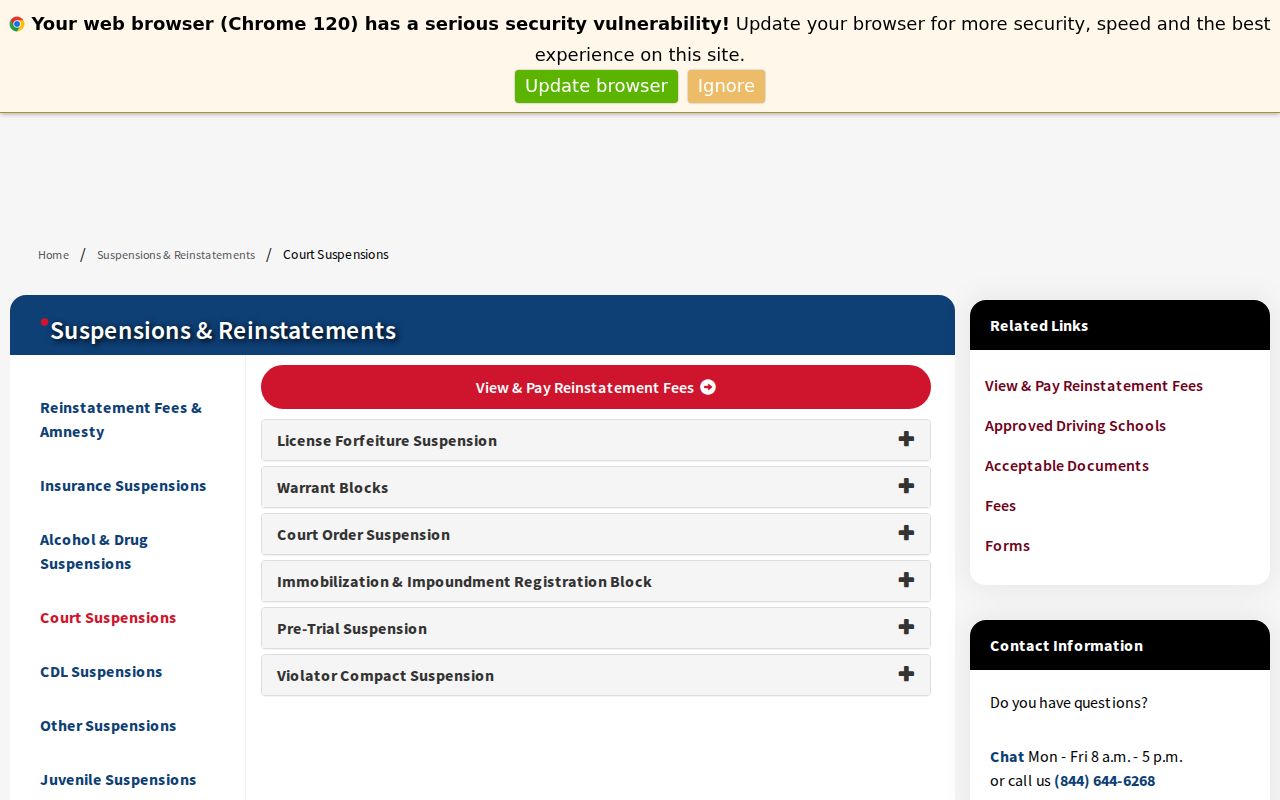
This BMV page covers a court-reported license action, not a public docket search for the traffic case behind it.
Paying or Fighting an Ohio Ticket
Paying an Ohio ticket is never just bookkeeping. Under Traffic Rule 13, a local Traffic Violations Bureau may process certain minor offenses. Pay as authorized, though, and Ohio treats it as a plea. It also counts as a waiver of trial. So the payment itself resolves the case rather than deferring it. The court named on the citation decides everything. It sets what qualifies, the fine and costs, and how you may respond. Does the citation require an appearance? Then skip the bureau route and go through the court's hearing process instead.
| Paying the Ticket | Contesting the Ticket |
|---|---|
| For an eligible Ohio citation, payment can carry plea and waiver consequences; confirm how the court records it. | Follow the Ohio court's not-guilty plea and hearing or trial instructions. |
| Use the response date and eligibility stated by the issuing Ohio court. Some qualifying minor-misdemeanor citations have a statutory compliance path. | Meet the deadline on the Ohio citation or later notice; ask the court if a date has changed. |
| Use the local Ohio Traffic Violations Bureau, clerk, online service, or counter as directed; amounts and methods vary. | Use the named Ohio court's filing or appearance route. A local calendar or coordinator can confirm the setting. |
Do not assume a missed date is only a late payment. For a covered minor-misdemeanor citation, R.C. 2935.26 provides for a supplemental citation and may permit a later summons or warrant. R.C. 4510.22 concerns specified failure-to-appear license consequences; ordinary fine nonpayment does not automatically create the same BMV status.
Get the details right before you send money. Confirm the court, case number, amount, due date, and plea effect with the court that issued the ticket, because Ohio sets no single statewide fine schedule for every traffic offense.
Ohio Minor Citation Rules Changed in 2025
Ohio's HB 29 changes to R.C. 2935.26 took effect April 9, 2025. That matters for minor-misdemeanor citations. The statute now offers a seven-day compliance route in place of the stated appearance. Depending on the case, it can mean a trip to the clerk's office to sign the plea and waiver and pay the fine and costs. It can also mean an installment plan, or a mail option the statute describes. That route carries a real legal effect. Ohio law says a mailed payment counts as a guilty plea and waiver. That holds even if the plea lines stay unsigned. Courts must set and post local fine schedules for minor misdemeanors. Read the current R.C. 2935.26 and the issuing court's instructions before relying on it. One caution. This is not a blanket right to pay any Ohio traffic ticket without appearing.
Ohio Traffic Photo Notices Are Civil
A photo-enforcement notice in Ohio runs on a civil track. Statutes from R.C. 4511.093 through R.C. 4511.098 govern it. That track sits apart from any moving-violation case built on a Uniform Traffic Ticket. Covered camera penalties are not moving violations. They add no license points. And R.C. 4511.0910 keeps them out of BMV reporting. To contest one, work through the local authority that issued it. The hearing court named in the notice handles the rest. Don't expect a camera notice to surface in an ordinary criminal or traffic docket search. The notice itself lists the authority, the response date, and the appeal steps, administrative or court. Ohio law also puts conditions on camera enforcement. Which statute applies depends on the device, the location, and the type of notice. For scale, the Legislative Service Commission reported 952,929 traffic filings in Municipal and County Courts for 2023. That was 56.2 percent of the 1.7 million incoming cases in those courts. Mayor's Court and Juvenile traffic matters were not all included. So the figure falls short of every Ohio traffic case. Note: A civil camera notice and a court citation can differ in several ways. They may have different custodians, deadlines, and search results even when both concern road use.
Ohio Court Record vs Driver Record
Ohio keeps two related files that people often blend together. The traffic case docket sits with the local court clerk. It holds the citation, the plea, the judgment, and court costs as the court displays them. The Ohio BMV, separately, keeps a driver abstract and license-status data under its own categories. Neither file substitutes for the other. A court search will not produce a certified driving abstract, and a BMV record is not the full court history.
| Court Traffic Record | Driver Record | |
|---|---|---|
| Kept by | Ohio Municipal, County, or Mayor's Court clerk | Ohio Bureau of Motor Vehicles |
| May show | Ohio citation, plea, hearing, judgment, court costs, and court-reported actions | BMV-recorded convictions, points, and license status |
| How to get it | Ohio local court search or clerk request for the case file | Official BMV record-order route for the requested abstract |
Is the question what happened in an Ohio court? Then ask the court clerk for the case entry or judgment. For points, an abstract, or license status, use the BMV's official record service. Then close the loop. Confirm any court-reported hold with the court that reported it.
Ohio Traffic Holds Need Court Release
A court-reported license forfeiture or warrant block is its own status system. It is not part of the traffic docket. The Ohio BMV says a license-forfeiture problem needs a court release once the case is handled. The applicable BMV fee comes on top. A warrant block can also stall a license or vehicle-registration transaction. So ask the Ohio court what release it has sent. Then verify with BMV that its record reflects it. The current figures are easy to mix up. The BMV lists a $25 license or bond-forfeiture fee and a $15 warrant-block fee. R.C. 4510.22 adds a $10 service fee for a qualifying deputy-registrar reinstatement. These are administrative charges only, not the court's fine or the clerk's copy cost. BMV also sells its own driver abstract, which is distinct from any court docket. The Ohio BMV fee page posts the administrative record and reinstatement fees in one place. Those amounts should never be confused with the court's fine schedule.
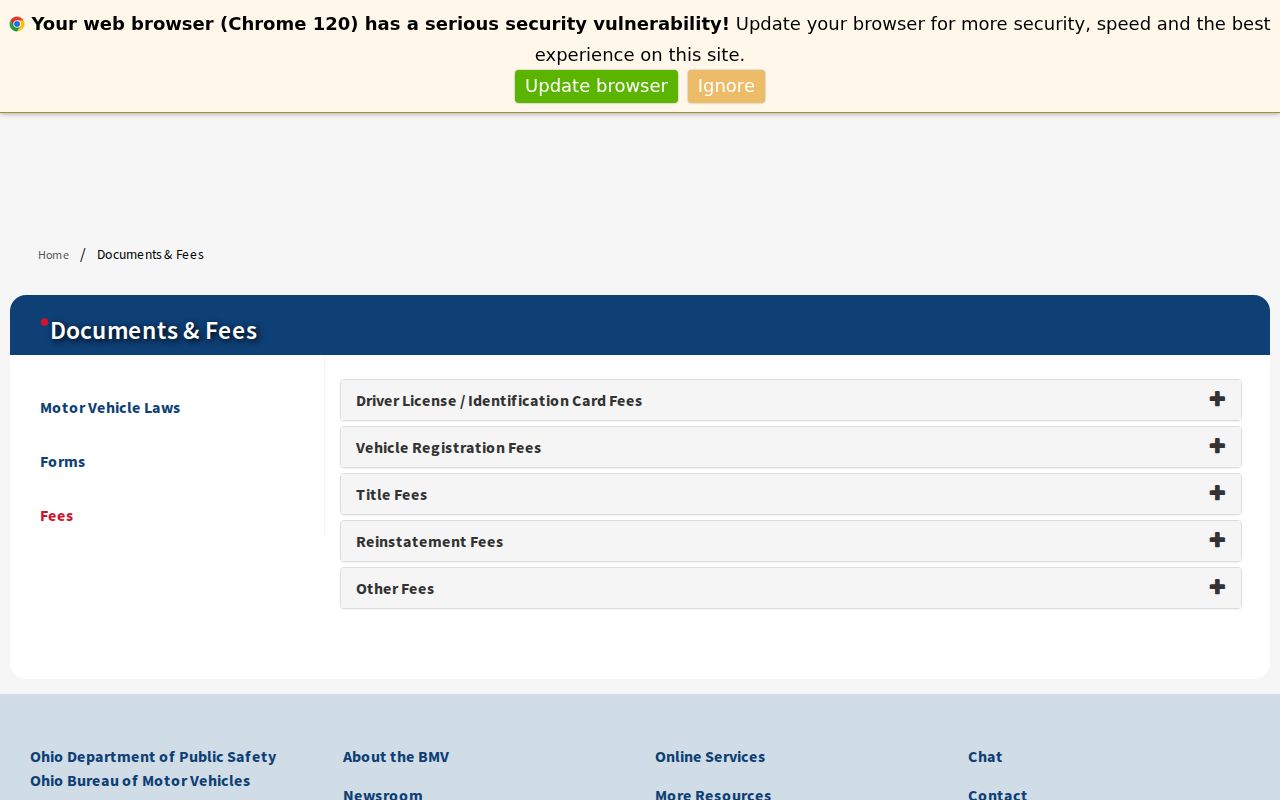
Check the official Ohio BMV fee page for current amounts. Then confirm the case status with the clerk who holds the traffic record. Note: Paying a BMV release fee clears only the agency's own process. It does not prove a court balance or docket entry is resolved.